
For years, booking an artist for an event often followed a familiar process. An organiser would ask someone for a contact, make a phone call, check availability, discuss pricing, exchange WhatsApp messages and coordinate details manually.
This process still exists, but the way artists, venues and organisers discover and book talent is beginning to change.
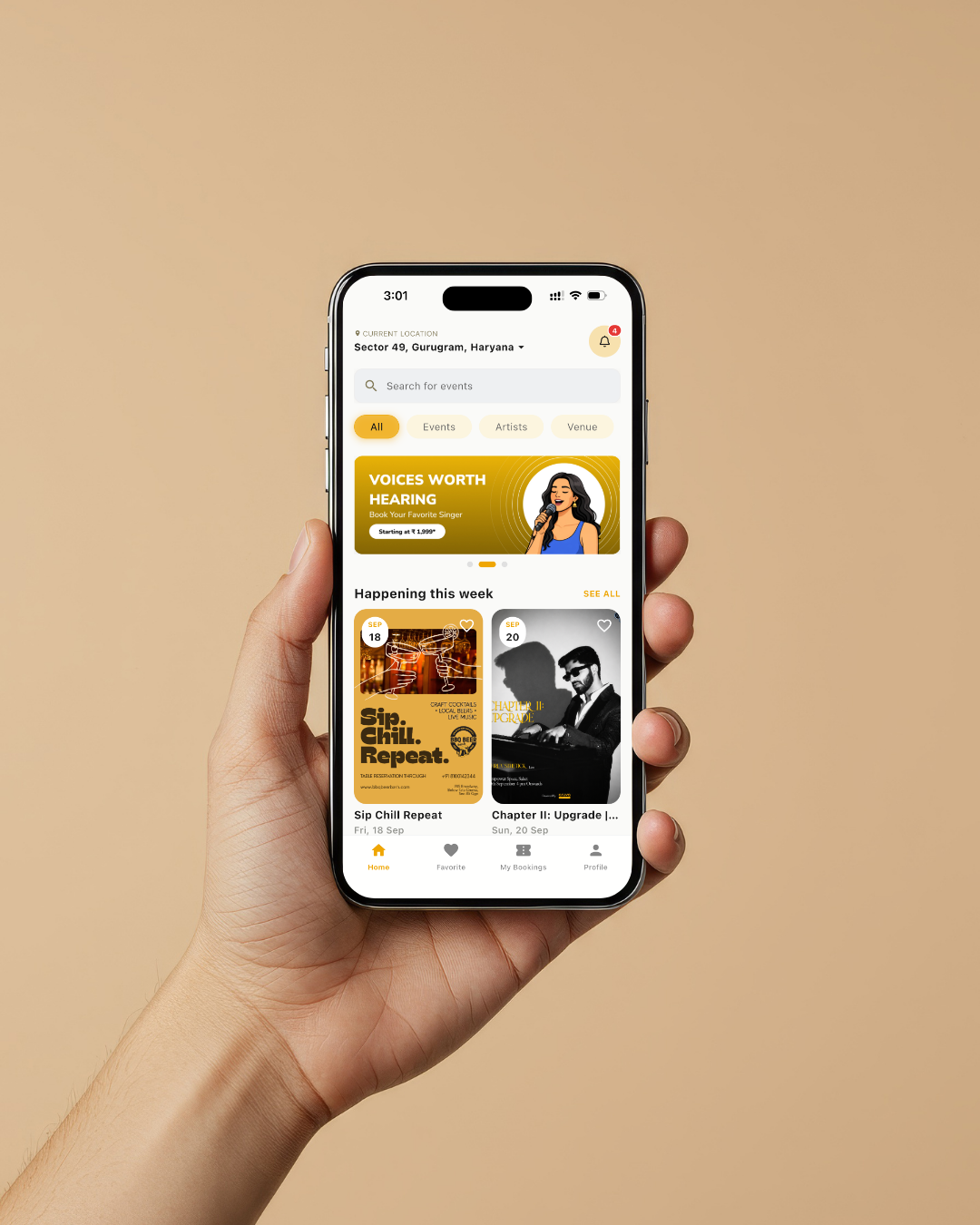
Digital platforms like Aruva are bringing more structure to an industry that has traditionally relied heavily on personal networks and fragmented communication.
The Traditional Artist Booking Process
Traditionally, an organiser looking for a singer, DJ, band or other performer might have to:
-
Find artist contacts through referrals
-
Call or message individual artists
-
Ask whether they are available
-
Request pricing
-
Share event details
-
Discuss performance requirements
-
Coordinate logistics
-
Finalise the booking
When multiple artists are involved, these conversations can quickly become difficult to manage.
The Problem With Fragmented Booking
The challenge is not necessarily the absence of artists.
India has a large and diverse community of singers, musicians, DJs, comedians, dancers and other performers.
The challenge is often discovery and coordination.
Information can be spread across:
-
Social media profiles
-
WhatsApp conversations
-
Personal contacts
-
Managers
-
Agencies
-
Informal referrals
This can make it difficult for an organiser to compare options and understand exactly what an artist offers.
What Artist Booking Platforms Change
Digital platforms can bring several parts of the process into one environment.
Instead of searching across multiple channels, organisers can discover artists through structured profiles.
These profiles can include information such as:
-
Artist category
-
Genre
-
Language
-
Performance format
-
Event types
-
Portfolio
-
Availability
-
Performance requirements
This makes artist discovery more organised.
Artist Profiles Are Becoming More Important
In a platform-driven ecosystem, an artist's digital profile can become an important part of their professional identity.
A well-structured profile can help communicate:
-
Who the artist is
-
What they perform
-
Which formats they offer
-
Where they perform
-
What types of events they work with
-
What makes their setup different
Instead of repeatedly explaining the same information to every potential client, artists can use their profile as a central reference point.
Technology Can Also Help Artists Build More Opportunities
Digital platforms are not only useful for event organisers.
Artists can potentially reach venues and audiences beyond their existing networks.
For independent artists especially, this can create opportunities to showcase their work to businesses, organisers and customers who may not have discovered them through traditional networks.
How Aruva Is Building a Structured Artist Booking Platform
Aruva is built around connecting artists, venues and event organisers through a structured digital platform.
Artists can create profiles and performance setups that showcase their offerings, while venues and users can discover performers according to their event requirements.
The platform brings together different parts of the booking journey, helping reduce dependence on scattered conversations and making artist discovery more organised.
Aruva also supports different types of performers, from singers and DJs to bands and other live entertainment categories.
This Does Not Mean Human Relationships Disappear
Digital platforms do not necessarily replace relationships within the entertainment industry.
Artists, organisers, venues and managers will continue to work together and build professional relationships.
The difference is that technology can provide better infrastructure around those relationships.
Instead of replacing communication, a platform can make the information and processes surrounding that communication more structured.
What the Future of Artist Booking Could Look Like
As more of the entertainment industry moves online, artist booking can become increasingly data-driven and transparent.
Artists may have better tools to manage:
-
Profiles
-
Availability
-
Performance setups
-
Bookings
-
Collaborations
-
Professional information
Meanwhile, organisers and venues can have better ways to discover talent based on their specific requirements.
The result could be a more connected live entertainment ecosystem where artists are easier to discover and event organisers have more structured ways to find the right performers.
Final Thoughts
Artist booking is moving from a largely relationship-driven and fragmented process towards a more structured digital ecosystem.
Phone calls and WhatsApp conversations are not disappearing overnight. Instead, they are increasingly being supported by platforms that organise artist information, discovery and booking.
Aruva is part of this shift—building a platform where artists, venues and users can connect around live entertainment and make the artist booking process more structured.
For artists, it creates a digital space to showcase what they offer. For venues and organisers, it creates a more organised way to discover performers.
The future of artist booking may not be about choosing between people and technology. It may be about using technology to make the connections between people easier, clearer and more scalable.