
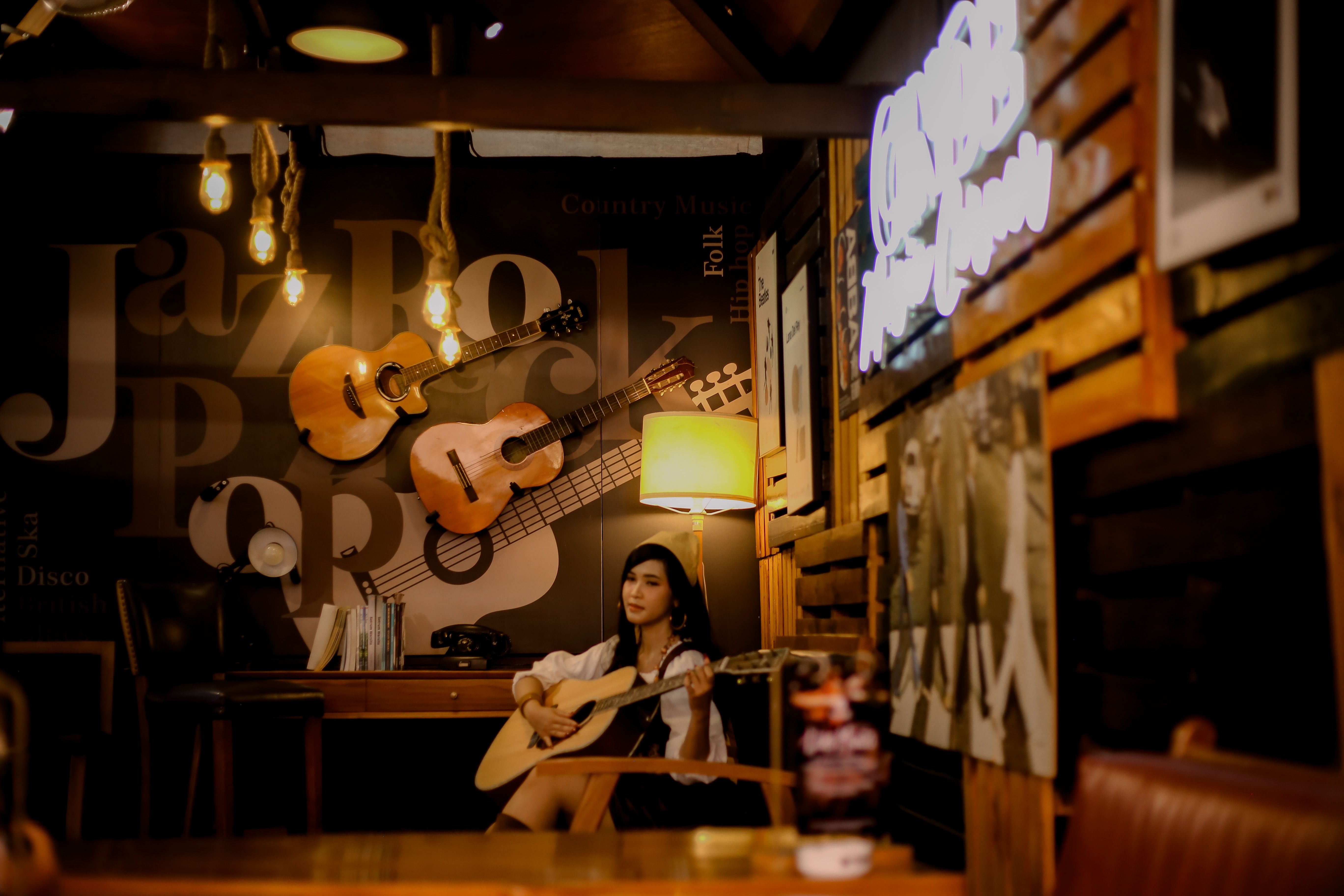
A live music night can turn an ordinary evening at a venue into a dedicated experience for customers. Restaurants, cafés, bars, hotels and other venues can use live music as part of their regular entertainment calendar or organise one-off events around specific artists and themes.
But a successful live music night requires more than booking an artist. The venue, audience, sound, schedule and promotion all need to work together.
Here is a practical guide to planning one.
1. Define the Objective
Start by deciding what you want the event to achieve.
Your objective could be:
-
Creating a new customer experience
-
Increasing weekend footfall
-
Introducing a new artist
-
Launching a recurring music night
-
Celebrating a special occasion
-
Creating a ticketed event
The objective will influence your artist, format and promotional strategy.
2. Know Your Audience
Your artist selection should be based on the people you want to attract.
Think about:
-
Age group
-
Music preferences
-
Spending behaviour
-
Existing customer base
-
Local audience
-
Preferred event timings
A singer popular with your audience can create a very different experience from a DJ or experimental performer.
3. Choose the Right Artist
Consider artists based on:
-
Genre
-
Languages
-
Performance format
-
Experience
-
Audience compatibility
-
Availability
-
Fee
You should also consider whether you want a solo artist, duo, band or another type of performer.
4. Choose the Date and Time
Pick a date based on your venue's audience and operating schedule.
For many venues, evenings and weekends may provide the strongest opportunity, but the ideal timing depends on your customer base.
Make sure there is sufficient time for:
-
Artist arrival
-
Equipment setup
-
Soundcheck
-
Guest entry
-
Performance
-
Pack-down
5. Plan the Sound Setup
Sound is one of the most important parts of a live music event.
The equipment should be appropriate for the venue's size and layout.
Depending on the artist, you may need:
-
Speakers
-
Microphones
-
Monitors
-
Mixer
-
Instruments
-
Cables
-
Stands
-
Stage equipment
Confirm technical requirements with the artist before the event.
6. Create a Simple Event Schedule
A clear schedule keeps everyone aligned.
For example:
5:00 PM: Artist arrival
5:30 PM: Equipment setup
6:30 PM: Soundcheck
7:00 PM: Doors/open venue
8:00 PM: Performance begins
10:00 PM: Performance ends
The exact schedule will depend on your venue and event format.
7. Promote the Event
Even a great artist needs an audience.
Promote the event through:
-
Instagram
-
WhatsApp
-
Email
-
Venue social media
-
Artist social media
-
Posters
-
Event platforms
-
Existing customer databases
Include the important information clearly:
-
Artist name
-
Date
-
Time
-
Venue
-
Entry details
-
Ticket price, if applicable
-
Booking information
8. Coordinate With the Artist
Keep communication clear before the event.
Confirm:
-
Performance duration
-
Arrival time
-
Setlist preferences
-
Payment
-
Technical requirements
-
Travel
-
Event schedule
Written confirmation of important details can reduce last-minute confusion.
9. Review the Event Afterwards
After the event, look at what worked.
Track:
-
Attendance
-
Customer feedback
-
Sales
-
Social media engagement
-
Repeat customers
-
Artist performance
-
Operational issues
This information can help you improve your next event.
Plan Your Venue's Artist Bookings With Aruva
Aruva helps connect venues and artists through a structured platform for discovering and booking live performers.
Instead of depending entirely on informal networks, venues can explore artist profiles and performance setups that provide information about what an artist offers.
For venues looking to build recurring entertainment calendars, this can make artist discovery and booking more organised.
Final Thoughts
A successful live music night combines the right artist with the right audience, venue, sound setup and promotion.
Start with a clear objective, plan the operational details early and make sure everyone involved knows their responsibilities.
With platforms like Aruva, venues can simplify the process of discovering artists and planning live entertainment as part of their regular event strategy.