
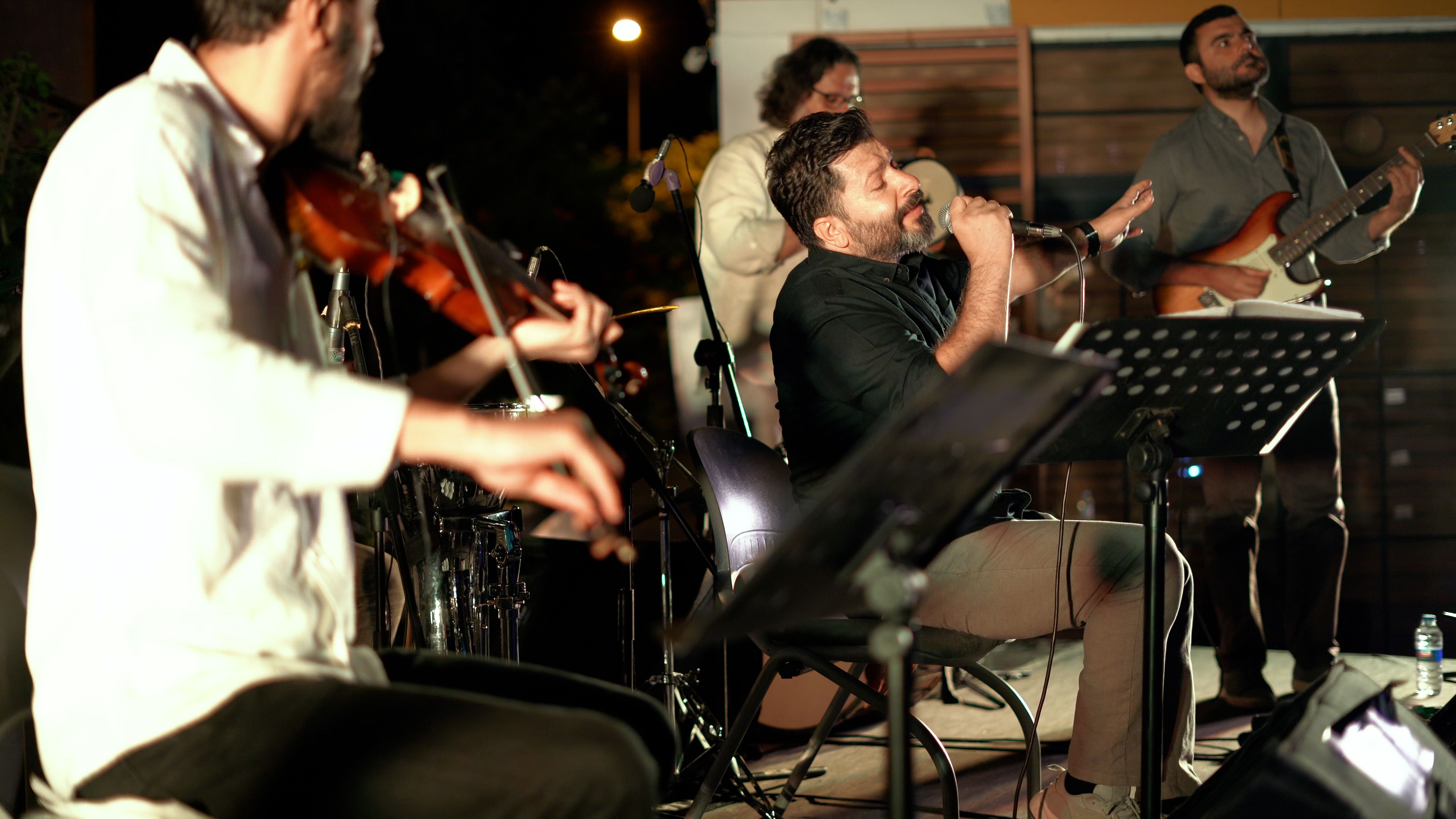
Being an independent artist in India is no longer just about creating good music. Artists today are increasingly managing their own brand, audience, bookings, content, collaborations and revenue streams. Digital platforms like Aruva have made it easier to reach listeners, while India's growing live entertainment industry is creating new opportunities to perform.
This has transformed the artist career into something increasingly resembling a business.
India's media and entertainment industry reached approximately ₹2.78 trillion in 2025, with the live events segment growing 44%, according to the FICCI-EY Media & Entertainment report.
For independent artists, this growth represents both an opportunity and a challenge.
What Does It Mean to Be an Independent Artist?
An independent artist is generally a musician or performer who operates without being fully dependent on a traditional record label or established entertainment company.
This can give artists greater control over:
-
Their music
-
Creative direction
-
Branding
-
Performance opportunities
-
Collaborations
-
Audience relationships
-
Revenue decisions
However, independence also means taking responsibility for many parts of the business.
An artist may need to function as a performer, marketer, content creator, manager and entrepreneur.
Multiple Income Streams Are Becoming Important
One of the biggest challenges for independent artists is income consistency.
EY research found that 87% of surveyed music creators wanted to make a living from music, but only 60% said they were able to do so.
This makes diversification important.
Independent artists can potentially generate income through:
-
Live performances
-
Corporate events
-
Weddings and private events
-
Streaming
-
Music publishing
-
Brand collaborations
-
Content creation
-
Licensing
-
Workshops and music education
-
Merchandise
Live performance can be particularly important because artists can directly monetise their skills and time.
Live Performances Are a Major Opportunity
India's live music market has grown substantially in recent years.
PwC estimates that India's live music market increased from approximately US$29 million in 2020 to US$149 million in 2024, with further growth expected through 2029.
This creates opportunities beyond traditional concerts.
Independent artists can perform at cafés, restaurants, clubs, hotels, corporate events, weddings, festivals and private celebrations.
For artists, the challenge is finding consistent and relevant opportunities.
This is where artist booking platforms such as Aruva can help by connecting artists with venues and event organisers looking for live entertainment.
Building an Artist Brand
Music is only one part of an independent artist's identity.
Branding can influence how audiences, venues, organisers and potential partners perceive an artist.
An artist's brand can include:
-
Music style
-
Visual identity
-
Stage presence
-
Social media presence
-
Content style
-
Professional portfolio
-
Performance format
A strong brand can help an artist become more recognisable and easier to discover.
Digital Presence Is Now Part of the Business
Social media has become an important tool for independent artists.
Platforms such as Instagram and YouTube can help musicians:
-
Promote new releases
-
Showcase live performances
-
Build communities
-
Attract event organisers
-
Collaborate with other creators
-
Develop brand partnerships
For many independent artists, social media is no longer simply a promotional channel. It is part of their professional identity.
Technology Is Changing Artist Discovery
The traditional artist-booking process has often relied on personal contacts, managers and word of mouth.
Digital artist platforms are changing this model.
An artist can create a professional profile, showcase their work and make their availability and capabilities easier for organisers to discover.
Platforms like Aruva are helping build this digital infrastructure by connecting artists, venues and event organisers through a structured artist discovery and booking ecosystem.
The Business Challenges
Independence comes with responsibilities.
Artists may need to manage:
-
Negotiating fees
-
Maintaining availability
-
Managing bookings
-
Creating content
-
Understanding contracts
-
Protecting intellectual property
-
Tracking income
-
Building professional relationships
As the number of independent artists grows, professional organisation can become an important competitive advantage.
The Future of Independent Artists in India
The future looks increasingly promising for independent musicians.
Digital distribution, social media, live entertainment and technology are creating more ways for artists to reach audiences and generate income.
At the same time, competition is increasing.
The independent artist of the future will need more than talent. They will need visibility, consistency, business awareness and access to the right opportunities.
Conclusion
Being an independent artist in India is becoming a business in its own right.
Artists are no longer restricted to a single career path. They can combine music releases, live performances, brand partnerships, content, publishing and other creative opportunities to build sustainable careers.
As India's live entertainment industry continues to grow, artist booking platforms such as Aruva can play a role in connecting independent artists with venues and organisers looking for talent.
The future of the independent artist is not simply about gaining recognition.
It is about turning creativity into a sustainable, professionally managed career.