
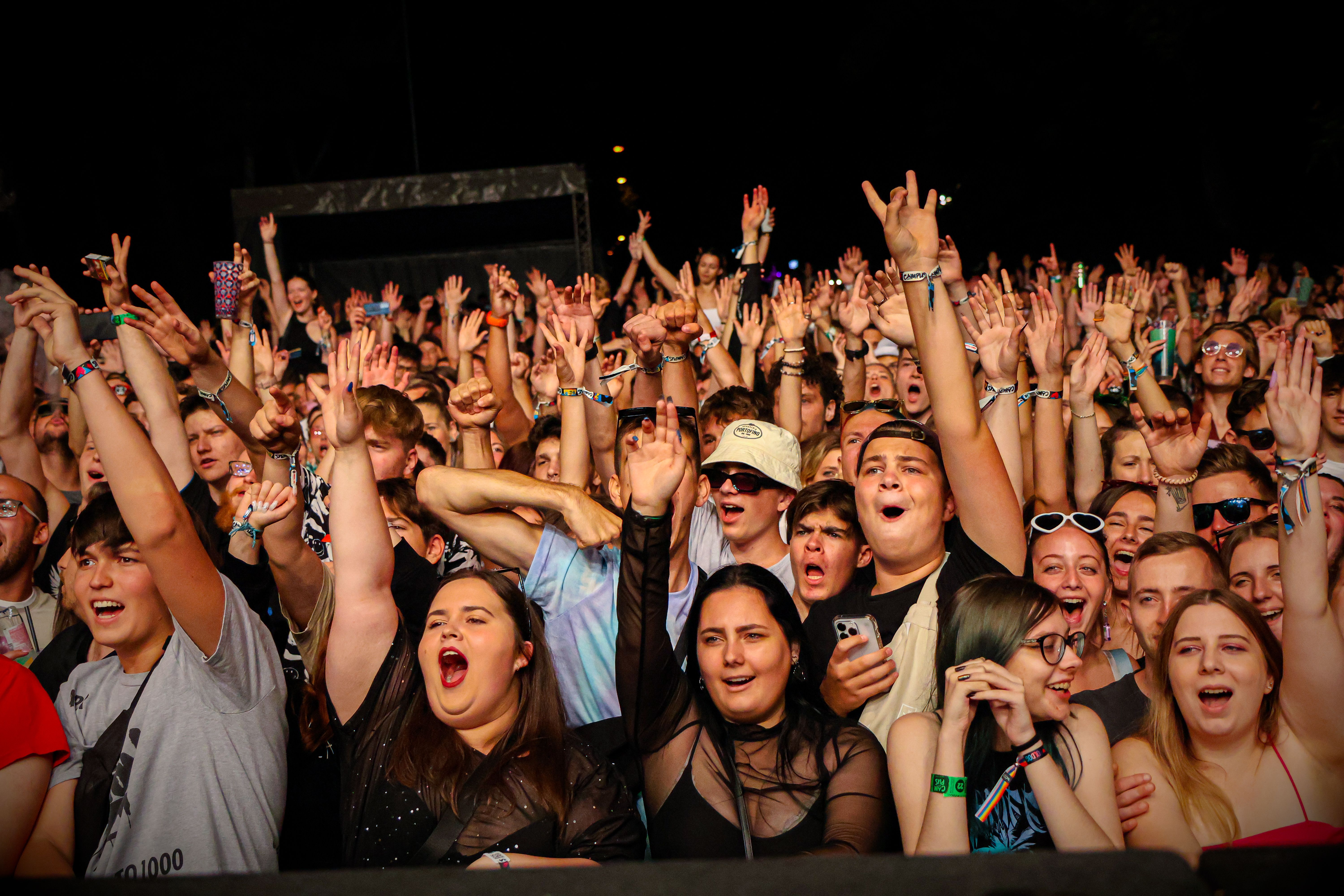
The way people spend money is changing. Alongside traditional purchases such as clothing, electronics and other physical products, consumers are increasingly allocating money towards experiences—concerts, festivals, travel, dining, entertainment, sporting events and other activities they can participate in and remember.
This shift is often described as the experience economy.
For India's entertainment industry, this creates an important opportunity for artists, venues, event organisers and brands.
What Is the Experience Economy?
The experience economy refers to an economic environment where consumers place significant value on memorable experiences in addition to physical products and services.
A product is something a customer owns.
An experience is something a customer participates in.
For example, instead of simply listening to music through a streaming service, a person may choose to attend a live concert, discover an emerging artist at a venue or travel to another city for a festival.
The two experiences are different even when they involve the same music.
Why Are Experiences Becoming More Important?
1. People Want Memories
Experiences can become personal memories.
A concert attended with friends, a wedding performance or a special event can remain meaningful long after it has ended.
This emotional value is one reason people may be willing to spend money on experiences.
2. Social Media Amplifies Experiences
Experiences are also increasingly connected with social media.
Concerts, festivals, restaurant events and other experiences often become content that people share with their communities.
This creates a cycle where an experience can generate both participation and online visibility.
3. People Want Something Beyond Routine
Daily digital consumption can make physical experiences feel more distinctive.
A live performance offers something that cannot be completely replicated through a screen—the atmosphere, audience interaction and shared environment.
This is particularly relevant to live entertainment.
The Growing Role of Live Entertainment
Live entertainment sits at the centre of the experience economy.
A singer, comedian, DJ or band does more than provide a performance. They contribute to the atmosphere of a venue or event.
This means artists can become an important part of how people experience:
-
Restaurants
-
Hotels
-
Weddings
-
Corporate events
-
Festivals
-
Concerts
-
Private celebrations
-
Brand activations
What This Means for Venues
For venues, the experience economy creates opportunities to think beyond their basic offering.
A restaurant can become a live music destination.
A café can host acoustic evenings.
A hotel can create a regular entertainment calendar.
A venue can collaborate with artists to create recurring events.
In each case, entertainment becomes part of the experience customers associate with the venue.
What This Means for Artists
Artists are also increasingly becoming part of a wider experience ecosystem.
A singer can perform at a wedding, restaurant, corporate event or ticketed concert.
A comedian can perform at a corporate event or private gathering.
A DJ can perform at a nightclub, festival or brand event.
This creates multiple opportunities for artists beyond traditional music releases or large concerts.
How Aruva Connects Artists With Experiences
As the live entertainment ecosystem grows, discovering the right artist for a specific experience can become increasingly important.
Aruva provides a platform connecting artists, venues and event organisers, helping them discover and book performers for different types of events.
Artists can showcase their profiles and performance setups, while venues and users can explore performers based on their requirements.
This creates a more structured way for live entertainment to become part of everyday experiences.
The Future of Experiential Entertainment
The experience economy is not about replacing products with experiences completely.
Instead, it reflects a broader shift in what consumers value and how businesses create engagement.
For the live entertainment industry, this can mean more opportunities for artists, venues and organisers to create experiences around music, comedy, events and community.
As audiences continue looking for experiences they can participate in and remember, live entertainment is likely to remain an important part of that conversation.
Final Thoughts
People do not only spend money on what they can own. They also spend on what they can experience, share and remember.
That creates opportunities across India's entertainment ecosystem.
Artists provide the talent, venues provide the environment, organisers create the event and audiences bring the experience to life.
Platforms such as Aruva can help connect these parts of the ecosystem, making it easier to discover and book the artists who turn ordinary spaces and events into memorable experiences.